Are you training for an event and thinking about giving carb loading a try? Before diving in, it's important to know that there is a right and a wrong way to carb load. Here we'll take a closer look at what this practice is, whether it works and some strategies you can use to prepare for the big day.
What Is Carb Loading?
Carb loading is a performance nutrition strategy that raises your glycogen stores, so you have a steady supply of energy for a long run or other athletic endurance event. By raising glycogen stores, you can postpone fatigue and potentially benefit from greater endurance. This strategy can be especially helpful if you are a professional athlete and begin preparing several days before the event.
How Does It Work?
Carbohydrates are your body's main source of energy. When you digest food, certain products like enriched and whole grains get converted to sugar. Then they are stored as energy (known as glycogen) in your liver and muscles. Glycogen burns quickly and provides quick, efficient energy when you exercise.
Can It Really Improve Athletic Performance?
If your workouts consist of high-intensity physical activity (like endurance training), you're most likely to benefit from carb loading. However, you don't have to load up on carbs before your daily workout. The amount of glycogen you already have stored in your body should be enough to get you through. Carbing up is best for endurance athletes whose events last 90 minutes or longer.
Is Carb Loading Before a Marathon a Good Idea?
Yes, it can be an effective strategy to maximize your muscle glycogen stores and prevent you from "hitting a wall" during a marathon. Before using this method on race day, it's best to try it out during your practice runs leading up to your marathon to ensure the foods you eat won't bother your stomach. Otherwise, you may find yourself doing more harm than good.
What Is the Best Way to Carb Load Before an Event?
If you're wondering how to carb load, there are several effective strategies you can try. Here are a few tips on how to get started.
Timing and amount - Begin increasing your carb intake 1 to 3 days before your race. Aim for 8 to 12 grams of carbs per kilogram of body weight. Eat your largest carb-heavy meal in the middle of the day, the day before your race.
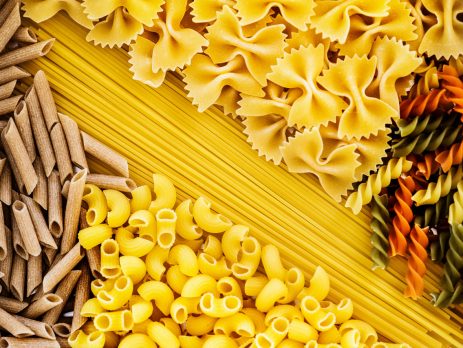
Best foods to try - The best carbs are easy-to-digest to avoid gastrointestinal upset. White rice, white bread, oatmeal and white pasta are good options. Simple sugars like jam, honey and banana can top off your energy stores without adding bulk.
Foods to avoid - Avoid high fiber foods starting 48 hours out from race day. Foods like beans, broccoli and whole grains can lead to mid-race bathroom emergencies. Never try a new food in the two days leading up to your race.
Everyone's body works differently, so you may have to test out a few strategies to determine which method is best for you.Loading up on carbs before an important race can effectively maximize your energy stores and keep you in peak form when it counts. If you have dietary concerns, be sure to check in with your doctor or a registered dietitian to see if carb loading is a good race day tactic for you.Looking to stay healthy year-round, before and after races? Be sure to check out Foodie Fit, the premier Las Vegas meal prep company.
Sodium may have a bad reputation, but it is necessary for the healthy functioning of the body. This element, which is actually a metal, helps to regulate blood pressure, supports the nervous and muscular systems and also controls your body’s blood volume. Sodium is also an electrolyte that helps control the amount of water in your body. It’s not salt but is a component of table salt and other salts such as baking soda and sodium nitrate. However, if a person takes in too much sodium, many of their bodily systems can be thrown off. How much sodium per day should a person get?
How Much Sodium Is Too Much?
Health and diet experts claim that an average adult shouldn’t eat more than 2,300 milligrams of sodium per day. This is a little more than a third of a teaspoon. The same experts claim that people should aim for no more than 1500 mgs a day. Unfortunately, most American adults eat well over 3000 mgs of sodium every day. This can be deleterious to their health. Not only this, but you don’t have to keep reaching for your salt shaker to get too much sodium. Foods high in sodium tend to be prepackaged, processed or served up in fast food restaurants without any additional salt. This leads to people underestimating how much sodium they eat every day.
The Low Sodium Diet
Some people are put on a low sodium diet by their physician when they’re at risk of a health problem that’s caused by too much sodium. These conditions range from heart disease, hypertension and kidney disease. Too much sodium causes fluid retention, which stresses the heart and causes blood pressure to rise to unhealthy levels.If you're on a low sodium diet, you need to make sure that your sodium intake doesn’t rise above 2000 mgs per day. Foods with low sodium are often fresh foods, especially fruits and vegetables. They usually aren’t processed or have minimal processing. However, people on low sodium diets should still be mindful of foods that are higher in sodium but unprocessed. These include celery, salmon, Swiss chard, shrimp and scallops.Another good practice is to simply remove the salt shaker from the dining table. You can cook with little or no salt and use herbs and spices to improve the flavor of your food. It’s also a good idea to read the labels of foods you buy in the supermarket, and choose those that are no or low sodium.
How to Reduce Sodium Intake
There are other ways to reduce sodium intake besides the practices mentioned above. If you're worried that foods labeled low-sodium are tasteless, you can mix them with regular foods at first. You can also wash high sodium foods before cooking or eating them. Poultry is often injected with a saline, or saltwater solution, so people who want to reduce their sodium intake should choose birds that are unseasoned. One last trick, meanwhile, is to enjoy foods that are high in potassium, another element needed by the body. Potassium actually counters too much sodium in the diet.Looking for easy and simple ways to decrease your sodium intake? Try Foodie Fit’s Las Vegas meal prep delivery services. With countless healthy options that caters to every dietary restriction, your body (and taste buds) will thank you.
To improve your physical wellbeing, you must focus on reducing your sugar intake. Most of us consume far more sugar than is necessary, and we do not even know it. A sweet treat feels nice in the moment; however, the long-term impacts are noticeable over time. For example, your energy levels take a dip, and your skin starts to take on a dull appearance. Fortunately, the changes that you will need to make are not too difficult. Learning how to reduce sugar intake starts with a few small, intentional choices.
Read Your Labels Carefully
Before you can cut back on your sugar intake, you need to know where it hides. Manufacturers add sweeteners to products that do not even taste sweet, such as pasta sauce, crackers, and salad dressings. When you look at a nutrition label, you should pay attention to the "Added Sugars" line. If you see ingredients, such as high fructose corn syrup, barley malt, or dextrose, you are looking at sugar. This awareness is the foundation for healthy eating and long-term wellness.To manage how much sugar you consume and learn how to eat less sugar, choose whole foods. An apple is rich in fiber, which helps you to process its natural sugars slowly. Apple juice, on the other hand, lacks that fiber, and when you drink it, it will cause your blood sugar to spike and crash. If you must consume any packaged goods at all, only purchase those where sugar is not listed in the top three ingredients.
Rethink Your Morning Routine
For most people, breakfast is the most sugar-heavy meal of the day. Many popular cereals and flavored yogurts on the market contain as much sugar as a candy bar. If you consume one of these and begin your day with a sugar rush, then you can expect to crave sweets all day long.For a delicious and convenient solution, Foodie Fit offers prepared meals that provide balanced nutrients, and best of all, they are filling. Their breakfast options are crafted to provide sustained energy rather than a temporary sugar high. For example, opting for a savory egg dish or a protein-packed oatmeal bowl can keep you full until lunch. Because these meals are portioned correctly, you do not have to guess how much sugar you are consuming.
Choose Smarter Snacks
When you start feeling hungry between meals and have that temptation to grab a bag of chips or some dried fruit, consume a snack that consists of a piece of whole fruit with some protein. A handful of almonds or a couple of slices of turkey are excellent protein sources. This combination slows down the absorption of sugar into your bloodstream. You can also experiment with sugar substitutes like stevia or monk fruit if you enjoy sweetness without the spike.If you struggle with a sweet tooth in the evening, you can find relief in Foodie Fit snacks. These treats are created for people who want to satisfy a craving without ruining their progress. Using high-quality ingredients allows these snacks to taste indulgent while keeping the glycemic impact low. When you have a plan for your cravings, you are much less likely to reach for a bag of cookies.
Hydration Without the Sugar
Beverages are the worst offenders, as they are the largest source of added sugar in the average diet. Even healthy sports drinks contain a monumental amount of liquid sugar that enters your bloodstream immediately after consuming them. Switching to water is the best move. However, you can add a squeeze of lime or a few cucumber slices if you find water boring. Herbal teas are also a fantastic way to enjoy flavor without any added sweeteners. They are one of the easiest sugar alternatives for people transitioning away from sweet drinks.If you remain consistent with these changes, your taste buds will adjust, and you will start feeling much better both mentally and physically. You will have more energy and a clearer mind. Reducing sugar is about reclaiming your health, and with tools like Foodie Fit, that goal is well within your reach.
The latest trend in weight management corresponds to trends unfolding on social media. As the darling social network of recent years, TikTok has become a preferred digital spot for fitness, health, and nutrition influencers who provide advice, tips, and techniques through short videos. In 2026, millions of TikTok users watched videos about #Macros, #MacroCounting, and #IIFYM (If It Fits Your Macros), which are part of the #GymTok and #Fitness clouds. Many videos in these hashtags refer to macronutrient strategies for fitness enthusiasts who want to increase muscle gain while meeting their bodyweight targets.The concept of managing macros for muscle gain dates back to the Golden Age of Bodybuilding, which ran from the 1970s to the 1990s. Essentially, old-school bodybuilders abandoned strict calorie-counting regimes for more granular nutrition strategies that prioritized protein for muscle preservation. In the late 2000s, online fitness guru Anthony Collova coined the #IIFYM strategy of measuring macros for weight loss, which was a paradigm shift because of its strong focus on food quality.By 2012, online discussion about #IIFYM had moved from fitness and bodybuilding forums to Facebook and Twitter (now X). The release of Collova'swebsite and macro calculator coincided with #IIFYM support from nutritional scientists who agreed that weight loss and muscle gain are primarily driven by caloric balance and macro ratios rather than dieting and loading.
What Are Macros?
Macronutrients provide energy, which we measure in calories, and the building blocks for human tissue. Unlike micronutrients, which include supplemental vitamins and minerals, we consume macros in large quantities. There are three main macros that play critical roles in how we can burn fat, build muscle tissue, and manage bodyweight:
Protein
This macro is essential for stimulating muscle growth and repairing tissue. When you diet and exercise for weight loss, you generate a calorie deficit that prompts your metabolism to burn muscle for fuel. You can prevent this with a higher protein intake from food sources like eggs, chicken breast, lean beef, andGreek yogurt.
Carbohydrates
Carbs are preferred sources of vital energy that your muscles and liver preserve as glycogen. Fitness enthusiasts know that carbs provide the "high-octane" fuel needed to power through intense workout sessions for stimulating gradual muscle growth. Some preferred sources of carbs include oats, rice, fruits, whole grains, and sweet potatoes.
Fats
These macros provide the most energy density at nine calories per gram. Fats are vital for hormone production, brain function, and the absorption of fat-soluble vitamins. After being demonized by the weight loss industry for many decades, fats became a stronger focus of the #IIFYM movement because food sources like avocados, nuts, olive oil, andsalmon provide excellent nutrition for weight management and muscle building.
How to Count and Track Macros?
Mastering how to count macros starts with establishing daily targets and fitness goals. The most optimal tracking involves following a recommended nutritional plan and using a digital scale for accuracy. The food items, ingredients, and intake quantities come from the plan. Once you have your weights, you need to learn how to track macros using an online calculator or a mobile app like MacroFactor, which allows you to scan barcodes or search the database to log your protein, carbs, and fats. As you stay consistent with the data, you can make intake adjustments to ensure you hit ratios for fat loss and muscle hypertrophy.
Macros for Weight Loss
When you want to lose fat by exercising and without losing lean tissue, understanding what are macros in food becomes your greatest advantage. For weight loss, prioritizing protein helps you maintain muscle mass. You want to compensate for the caloric deficit with high-protein foods that keep you satiated.
Macros for Muscle Gain
This strategy is the opposite of macros for weight loss because you generate a calorie surplus. Increasing your carb intake ensures your muscles are saturated with glycogen, thus providing sufficient energy. Please remember that increasing your carb intake should correspond with more intense workout sessions.
Enjoying Meals That Fit Your Macros
Ultimately, the macro strategy replaces restriction with flexibility and support from nutritional scientists. Whether you’re aiming for fat loss or muscle gain, hitting your macro numbers helps you achieve consistent progress.
You want to get the most out of your workout, but there's more to it than planning a routine. Like a tuned engine, your body needs the right kind of fuel to keep it running at peak performance.Whether you're starting a new exercise plan or you're a seasoned athlete, proper nutrition is key. Eating the right foods at the right times can help boost your performance and aid muscle recovery.
Common Food and Performance Questions, Answered
How much and what should you eat before or after a workout? The answers to the following common questions can help you plan your snacks and meals to fuel your exercise and speed muscle recovery.
Should I Eat Protein Before or After a Workout?
The answer to this question varies depending on the type of workout you're planning. Your body needs particular nutrients at different times for cardio than it needs for strength training.When focusing on cardio, save your protein for after your activity to replenish the amino acids your body needs to repair muscle fibers. Eating healthy, lean protein before and after a strength training routine helps prepare your body for the muscle strain during your reps and speeds up recovery afterwards.
What Should I Eat Before a Workout?
No matter the activity, always hydrate with water. Your body depends on this liquid for metabolism and recovery. However, what to eat before a workout depends on the type of exercise you're planning.When preparing for a cardio workout, you need ample fuel for your muscles. Focus onhealthy carbs including whole grain cereals and fruits beforehand to power your exercise. In the case of strength training routines, balance your intake of healthy carbs and lean protein such as eggs and whole wheat toast.
How Much Should I Eat Before and After Working Out?
How much should you eat before or after a workout? It can vary. You need to put fuel in your tank before you exercise, but how much you should eat before working out depends on timing. If you're able, plan a light meal or snack(around 100-200 calories) one to two hours before activity. A smaller snack such as a banana or energy bar is best if you're within 30 minutes of your workout.If possible, try to eat within an hour of your workout. If you're hungry or feel energy depleted, eat a light meal to replenish nutrients. Otherwise, a small snack is probably enough.Post-cardio, a light snack with a balance of enough carbs and protein will help your body recover more quickly. You should fuel up with lean protein and some complex carbohydrates after a strength training session. Try combinations such as some chicken breast and sweet potato or a tuna sandwich on whole grain bread to give your muscles the tools they need to repair themselves.
What Foods Help With Muscle Recovery?
If you want to know how to speed up muscle strain recovery after a workout, the answer is by eating the right foods.Healthy carbohydrates like whole grains, fruits, and nuts provide your muscles with the energy they need to repair themselves. Additionally,high-protein,low-fat foods give your body the building blocks they need to rebuild damaged muscle fibers.Successful workouts depend on more than your exercise routine. To help boost your performance and speed up muscle recovery, incorporate a balanced diet featuring complex carbs and lean proteins.
Calorie intake is often the first thing that comes to mind when considering starting your weight loss journey. You might find yourself wondering “what should my calorie intake be”, not to mention how those calories support your daily energy needs. Knowing these answers helps you make choices that feel genuinely sustainable. Rather than focusing on short-term fixes, you can learn how calories fit into your lifestyle’s bigger picture. You will eventually learn how to recognize patterns, lessen your confusion, and create habits that truly work in real life.By getting clarity on “how many calories should I eat to lose weight” and “how many calories should I burn in a day”, you create a roadmap that reflects your weight loss goals. We’re here to walk you through the basics, from what a calorie represents to how to calculate calorie deficit strategies that meet your unique needs. Dive in and allow this guide to help you gain more control over your progress and develop a healthier mindset regarding food.
What is an Average Caloric Intake?
You’re probably wondering “What should my calorie intake be?” You’re not alone. Your average caloric intake is unique to you; it varies based on factors like age, sex, height, weight, and activity level. Breathing, moving, thinking, and executing every other bodily function requires calories. Since everyone’s life and body are different, your average caloric intake will be unique to you. Recognizing this helps you avoid unrealistic comparisons and focus on realistic numbers.Do you live a highly active lifestyle? If so, your body generally needs more fuel to keep you going. More sedentary? Your calorie intake should probably be on the lower side. Instead of comparing yourself to others, take a good look at your routine, notice your hunger cues, and evaluate how your current intake supports your energy throughout the day. Over time, small adjustments can help you better balance feeling energized and staying on track with your goals.
How Many Calories Should I Eat to Lose Weight?
The question “How many calories should I eat to lose weight?” depends on your current intake and how your body responds to change. Making gradual reductions is easier to sustain than abrupt changes. Briefly tracking your food helps you spot habits and adjust them, so you can make wiser decisions and avoid feeling utterly overwhelmed. And let’s be honest,making meal prep easy can reduce that sense of being—ahem—weighed down.Our biggest tip for you? Aim forbalanced meals rich with protein, healthy fats, complex carbs, and fiber. This keeps you satisfied during a calorie deficit and helps prevent overeating.
What is a Calorie Deficit?
A calorie deficit happens when you consume fewer calories than your body needs, which explains why your weight might fluctuate. Maintaining a consistent calorie deficit causes your body to use its stored energy. Knowing how this works makes it easier to identify habits that help you reach your goals and those that might hinder you.To achieve a calorie deficit, focus on mindful eating, being aware of portion sizes, and keeping up regular activity. This doesn't mean you have to give up your favorite foods; instead, be thoughtful about how much you eat and make time for exercise. By creating a balanced approach, you promote good health and create viable habits for the future.
How to Calculate a Caloric Deficit
“How many calories should I burn in a day?” is a question we all ask ourselves before we learn how to calculate calorie deficit. Let’s get ready to start estimating your total daily energy expenditure (TDEE) so you can figure out how many calories you need to burn in a day based on your general activity level. Once you have that number, you subtract a moderate amount to create a manageable deficit. This structure gives you a defined target instead of relying on guesswork or extreme restrictions.Online calculators and reputable health resources can help guide your numbers. For example, you can review general calorie guidance from theCDC.To sum it up, reliable info, food logging, and steady habits help you understand how to maintain a calorie deficit for progress and motivation.
Conclusion
It's time to stop wondering how to be in a calorie deficit. Calorie intake is key to managing both your energy and weight. Knowing your target calorie intake, how many calories to eat to lose weight, and the number to burn daily helps you set achievable goals.Small, steady changes are usually the most sustainable. Track what you eat, pay attention to your body's signals, and calculate a calorie deficit that jives with your routine. With consistency and tools like Foodie Fit, you can create a flexible plan that supports your goals and lets you enjoy your meals.
Dietary fiber is vital to good health. It supports heart health by lowering levels of “bad” cholesterol and promoting the growth of beneficial bacteria in the gut. It lowers blood pressure and makes you feel full after a meal. This helps prevent overeating, which in turn aids in maintaining a healthy weight. Fiber is also believed to lower the risk of colorectal cancer.In this Foodie Fit blog, we explore the best, easiest high-fiber foods to eat for daily intake.
What Foods Have High Fiber
Fortunately, there is a wealth of high fiber foods. Most are fruits, vegetables, and whole grains.
Vegetables
When it comes to the high fiber foods list, vegetables are near the top. Here are some of the highest in dietary fiber.
Broccoli
One cup of broccoli has 2.2 grams of fiber. This is about 8 percent of the daily value, or DV. The DV is how much of a nutrient you should have every day.
Avocados
The avocado is one of those fruits that’s treated like a vegetable. A 7-ounce avocado has 14 grams of fiber.
Sweet Potatoes
Sweet potatoes are packed with nutrients, including dietary fiber. One cup of this root vegetable has 6.6 grams of fiber.
Fruits
Though you may think of fruits as sweet and light treats on a hot day, a surprising number of fruits also double as a fiber powerhouse. Here’s a list of some fruits that are high in fiber.
Apples
One medium apple has about 4.4 grams of fiber.
Passion fruit
Passion fruit is a champion when it comes to dietary fiber. One cup of passion fruit has an amazing 24.5 grams of fiber.
Berries
Technically a fruit that grows from the ovary of a single flower and has at least two seeds enveloped by flesh and an outer layer, many berries are also fiber-rich:
Blueberries
These little nutrient-rich powerhouses have 13 percent of the DV per cup.
Blackberries
Blackberries provide a decent 5.3 grams of dietary fiber per 3.5 ounces. This is about 20 percent of the DV.
Pomegranate
The pomegranate is also considered a berry, despite its size and tough hull. Its ruby red seeds deliver 6 grams of fiber per cup.
Whole Grains
A whole grain is a seed that hasn’t been stripped of components such as its bran. Whole grains are polished because they last longer when they’re stored and can often be stored at room temperature. However, polishing comes with the loss of lots of nutrients, including fiber.
Oats
Oats not only have 4 grams of fiber per half a cup, but the fiber they contain lowers bad cholesterol.
Quinoa
When it’s cooked, a cup of quinoa provides 5 grams of fiber, which is around 18 percent of the DV.
Whole Grain Bread
The amount of fiber in bread made from whole grains varies. For example, a slice of wheat germ bread has 4 grams of fiber.
Beans, Nuts, and SeedsThese plant products are also famous for their fiber content:
Cooked Beans
The amount of fiber a cup of cooked beans has depends on what kind of bean it is. Pinto and black beans have the most fiber, with 15 grams per cup.
Chia Seeds
An ounce of chia seeds has about 9.8 grams of dietary fiber, or 35 percent of the DV.
Nuts
Like cooked beans, the dietary fiber of nuts depends on the nut. The highest amounts of fiber belong to almonds and pistachios at 10.9 and 9.1 grams each per 100 grams, respectively.
… And One More Tip
Eating a diet rich in fiber holds many benefits. However, if you’re not used to eating a lot of fiber, doing so quickly and abruptly can cause digestion or stomach issues. As such, if you are looking to add fiber-rich foods slowly to your diet, be sure to increase your consumption of water. Doing so will limit the negative impact of fiber on your body.
Conclusion
Fiber keeps you regular, supports the microbiome in your gut, keeps your good cholesterol levels stable and may even help you lose weight. Best of all, the foods that contain lots of fiber are plentiful and inexpensive.Looking to add more fiber to your diet in a quick and easy way? Be sure to also check out Foodie Fit for the latest and greatest heat and eat meal prep delivery options today.
One of the best things about Las Vegas is the sheer diversity of entertainment options. There's always going to be something amazing to discover in Vegas, no matter who you are or what you're interested in.However, this wealth of entertainment can mask a simple fact about the city. Las Vegas is situated in a hot desert environment, and you need to consider how to adapt to maintain your health. In particular, you'll need to monitor your water intake.
The Hottest Months in Las Vegas, Explained
You inevitably have hot and cold seasons back home, and the same holds true of Las Vegas. However, it's not always as simple as you might expect.Las Vegas is an urban area with lots of people, which generates additional heat through theheat island effect. So yes, as hot as the surrounding area is, Las Vegas itself is typically even hotter.
Be wary in July and August, but don’t discount September
July and August are the hottest times in Las Vegas when looking at basic expectations and metrics. But these averages hide some worrisome facts about September.September is post-summer, but it still has days that can reach into the triple-digit temperatures. The real danger of September in Las Vegas is that people get used to cooler temperatures only to find themselves unprepared for the spikes.
Variables Determining Water Intake Amount
There are a number of different variables that impact your recommended water intake. These include the current temperature, your age, existing health conditions, activity level, and the amount of moisture in the air.You should consider all of the following when determining how much water to drink every day. Though it's always best to err on the side of caution and incorporate other ways to stay healthy.
Temperature
As the temperature goes up, so do your fluid requirements. As a rule of thumb, this escalates beyond around 90°F.However, in general, just remember that as your sweat grows, so does your need to drink more water. It's generally a good idea to carry a water bottle around if you know it's going to get hotter over the course of the day.
Age
The recommended water intake by age hits extremes for both the young and old. People outside the range of young adults to middle-aged adults should take extra precautions.Children's higher metabolic rate means that they're working through their hydration at a faster pace. At the same time, the elderly's reduced metabolic efficiency means that they need to drink more to make up for those deficits.
Pre-Existing Health Conditions
Health conditions and the medications used to treat them can push up your hydration needs. If you have a serious health condition, you need to talk to your healthcare provider to discuss your trip beforehand.The biggest concerns are blood pressure medications and diuretics. Both can increase fluid loss and require adjustment of your hydration.
Activity Level + Time Outside
The CDC recommends that an adult, on average, should haveone cup of water every fifteen to twenty minutes when active in the heat. Though different circumstances can push this even higher.
Humidity/Dryness
A desert is a very dry environment. This dryness can make Las Vegas more comfortable than other locations with a similar temperature but higher humidity.However, fluid loss is accelerated by dry heat as your sweat will evaporate more quickly. Because of this, you'll need to increase your liquid intake as the humidity goes down.
A Full Guide to Water Intake in Las Vegas During Hot Months
You've now seen the main variables that change how much water you need in Las Vegas. However, these are modifiers to some basic rules.You should keep the following rules in mind to make sure you get your recommended water intake daily. You're sure to have a great time in Las Vegas as long as you remember both the rules and the variables.
Aim for 12 Glasses in a Day
As a general rule, you should simply set twelve glasses of water as your goal. Again, your actual requirements might go up or down depending on the previously mentioned variables.However, getting more water than your basic requirements won't cause any harm, while not meeting those requirements will hurt your health. As such, err on the side of caution and don't let your intake drop below this twelve-cup guideline.
Focus on Water, Not Sugary Drinks or Alcohol
The quality of food and drink is also important. You should havehigh-quality meals with water rather than junk food with soda. Heat and eat meal delivery options make this easier than it's ever been.Higher quality of food pairs especially well with water, as your body naturally understands how flavorful the superior ingredients are. You find yourself wanting to appreciate the taste by drinking more hydration-friendly water. Meanwhile, alcohol and soda might even dehydrate you rather than offering hydration.
Monitor Your Urine Color
Checking your urine color might not be the most enjoyable way to determine if you're drinking enough water, but it's among the best. Urine essentially shows how much liquid your body is processing.If your urine is a pale yellow, then it generally means you're getting both enough hydration and nutrients. A darker color means you need more water, as your body's waste isn't showing proper dilution.
Putting It All Together To Stay Hydrated in Las Vegas
Finally, never forget that all of these elements need to work together while you're in Las Vegas. Don't just focus on one option to the exclusion of the others.Obviously, you shouldn't forget to have a good time. However, make sure to get a water bottle, keep it filled, and consider if you're drinking enough over the course of the day. When you ask yourself, what are the best ways to stay healthy, water is going to play an important role in every situation.
Being busy in the morning does not mean sacrificing a healthy breakfast. You can make your day exciting and focused with the right choices and keep your lifestyle simple. Simple healthy breakfast ideas can keep you on track and make mornings more enjoyable. In this Foodie Fit blog, we explore a variety of healthy breakfast solutions for you and your family.
The Best Healthy Breakfast Ideas
Egg Whites
Egg whites are a typical source of lean protein with no added fat. You can scramble spinach, tomatoes, or peppers to make a quick plate, put them in muffin cups, and bake them on weekends for a grab-and-go plate. These small tweaks make egg whites one of the most reliable healthy breakfast foods you can prepare ahead of time.
Overnight Oats
You might ask yourself: “What is a healthy breakfast you can make without lifting a finger in the morning?” Overnight oats are the solution. All you need to do is assemble oats, milk, dairy substitutes, and fruit or nuts. Wake up to a creamy, high-fiber breakfast you do not need to prepare!
Peanut Butter and Banana Toast
Toast with peanut butter and banana is a nutritious, protein-rich, and energizing snack made of whole grains. This combination is fast, portable, and has no limits. Add chia seeds, cinnamon, or honey to the mixture. It’s one of the most dependable options to keep you energized during busy mornings.
Yogurt, Granola, and Fruit
Another easy option is a bowl of Greek yogurt with granola and seasonal fruit. The yogurt is a source of protein; the granola adds crunch, and the fruit is flavourful. This mix of nutrients and textures makes for a handy snack that easily becomes one of the most versatile healthy breakfast ideas.
Cottage Cheese and Jam
Although you might not immediately associate cottage cheese with it, it is a creamy and fulfilling alternative to yogurt when mixed with jam or fresh berries. Its good protein content ensures it is perfect as long-lasting energy, and a fruit or preserve topping brings balance.
Other Healthy Breakfast Ideas
Protein Waffles
Protein waffles are best when you are in the mood and require something warm and nourishing. You will make these pancakes with oats, egg, protein powder, or a combination of several, prepare them in a batch, and freeze them. Pop a few in the toaster, top with berries, and you have a quick, stress-free start to a healthy day.
Vegan Avocado Toast
Avocado toast has become a modern breakfast staple. Crush one or two ripe avocados on a slice of toast or whole grain bread. Add toppings such as cherry tomatoes or hemp seeds or drizzle with olive oil. Plant-based breakfast recipes don't get any simpler than this, and are delicious too!
Homemade Granola
Granola is one of those dishes that works all day long. Making it yourself means you get to control what goes in. Blend rolled oats, nuts, seeds, and a light sweetener, then bake. It can act as an additional topping for yogurt, smoothie bowl, or eaten as a cereal.
Creamy Fruit Smoothie
Smoothies are the ultimate grab-and-go choice. Mix banana, spinach, and berries with almond milk, then add a scoop of nut butter or protein powder to make it extra filling. Smoothies come in endless combinations. You won't get bored.
Ricotta Pancakes
Ricotta pancakes are lighter than traditional pancakes, yielding fluffier pancakes with added protein. Add some fresh fruits or drizzle honey over them to make it a delicious yet healthy meal. They are perfect for weekends when you have more time to enjoy a slow morning.
Conclusion
Knowing what a healthy breakfast looks like is the first step to building better mornings. During the week, overnight oats, peanut butter on toast, and yogurt bowls will help you stick to the plan. On the weekends, recipes like ricotta pancakes or protein waffles are fun and tasty. If you mix and match easy, healthy breakfast ideas with creative healthy breakfast recipes, you'll always have wholesome meals to fit your schedule and taste.
Las Vegas welcomed over41 million visitors in 2024, thus cementing its status as a premier travel destination. While Las Vegas is mostly known for its lavish resort casinos and countless entertainment options, there are other fun activities to enjoy during your visit, including trips to the great outdoors. If you're wondering what national parks are near Las Vegas, the following spots are perfect for sightseeing, camping, hiking, photography, and connecting with nature.
The Best National Parks Near Las Vegas
Your best bet for outdoor recreation is to visit spots managed by the United States National Park Service (NPS), the federal agency tasked with preserving some of the most stunning and beautiful land in North America. Ground transportation from the main strip to the following national parks near Las Vegas takes less than three hours; enough time for you to you canpack a gourmet lunch as you appreciate the gorgeous desert vistas along the way:
Death Valley National Park
As one of the most-visited Las Vegas national parks, Death Valley is also the largest in the U.S. To get an idea of its geological diversity, you can visit Badwater Basin at 282 feet (86 meters) below sea level, followed by Dante's View at 5,000 feet (1,524 meters) on the same day; in fact, this is a popular day trip because of the breathtaking views of canyons and ghost towns from the peak. Fans of the Star Wars universe can go on self-guided driving tours to visit theTatooine filming locations for "Episode IV - A New Hope" (1977) and "Episode VI - Return of the Jedi" (1983).
Zion National Park
This is a rockier park that appeals to hikers, sightseers, and photographers. Unlike the open vistas of the Death Valley deserts, Zion's beauty is monolithic; you can drive or walk through The Narrows, an iconic trail magnificently carved by the Virgin River millions of years ago. For a more challenging hike, take the NPS shuttle to the Angels Landing trailhead, climb to the top, and be rewarded with a breathtaking view.
Grand Canyon National Park
Although this majestic park is in Arizona, its West Rim is a three-hour drive from Las Vegas. The more popular South Rim is 280 miles away, so it is better for overnight visits. When visiting the West Rim, check out the Grand Canyon Skywalk, a glass-bottom bridge that delivers a sensation of walking on air at 4,000 feet (1,219 meters). Don't forget to visit theHualapai Ranch for horseback riding and family fun.
The Best Nature Areas Near Las Vegas
Beyond national parks near Las Vegas, you can also visit pristine nature preserves located even closer to the Strip, less than an hour's drive away:
Red Rock Canyon National Conservation Area
From early October to late May, you must make reservations to visit this Bureau of Land Management (BLM) area, which is worth visiting for its gorgeous, 13-mile scenic loop that winds through dramatic red rock formations and offers access to numerous hiking trails.Stopping at Summerlin to get meals and snacks is highly recommended.
Mojave National Preserve
Currently under NPS management, this preserve offers solitary desert landscapes, dense Joshua tree forests, ancient lava beds, and volcanic craters. This is a prime spot for camping and stargazing; the nighttime skies provide breathtaking views of planets, stars, and constellations.
Calico Basin Trail
No reservations are required to visit this trail, which is a more accessible part of Red Rock Canyon. The trails here are perfect for hiking and exploring petroglyphs created by ancestral Native Americans 800 years ago. Don't forget to take selfies against the backdrop of bright red and orange rock hills.
Las Vegas is More Than Glitzy Casinos
The Strip is just one side of Sin City. With breathtaking scenery and unforgettable outdoor adventures a few hours away, you won't regret visiting any of the national parks near Las Vegas.