
Carb Loading: What is It and Does it Really Work?
Are you training for an event and thinking about giving carb loading a try? Before diving in, it’s important to know that there is a right and a wrong way to carb load. Here we’ll take a closer look at what this practice is, whether it works and some strategies you can use to prepare for the big day.
What Is Carb Loading?
Carb loading is a performance nutrition strategy that raises your glycogen stores, so you have a steady supply of energy for a long run or other athletic endurance event. By raising glycogen stores, you can postpone fatigue and potentially benefit from greater endurance. This strategy can be especially helpful if you are a professional athlete and begin preparing several days before the event.
How Does It Work?
Carbohydrates are your body’s main source of energy. When you digest food, certain products like enriched and whole grains get converted to sugar. Then they are stored as energy (known as glycogen) in your liver and muscles. Glycogen burns quickly and provides quick, efficient energy when you exercise.
Can It Really Improve Athletic Performance?
If your workouts consist of high-intensity physical activity (like endurance training), you’re most likely to benefit from carb loading. However, you don’t have to load up on carbs before your daily workout. The amount of glycogen you already have stored in your body should be enough to get you through. Carbing up is best for endurance athletes whose events last 90 minutes or longer.
Is Carb Loading Before a Marathon a Good Idea?
Yes, it can be an effective strategy to maximize your muscle glycogen stores and prevent you from “hitting a wall” during a marathon. Before using this method on race day, it’s best to try it out during your practice runs leading up to your marathon to ensure the foods you eat won’t bother your stomach. Otherwise, you may find yourself doing more harm than good.
What Is the Best Way to Carb Load Before an Event?
If you’re wondering how to carb load, there are several effective strategies you can try. Here are a few tips on how to get started.
- Timing and amount – Begin increasing your carb intake 1 to 3 days before your race. Aim for 8 to 12 grams of carbs per kilogram of body weight. Eat your largest carb-heavy meal in the middle of the day, the day before your race.
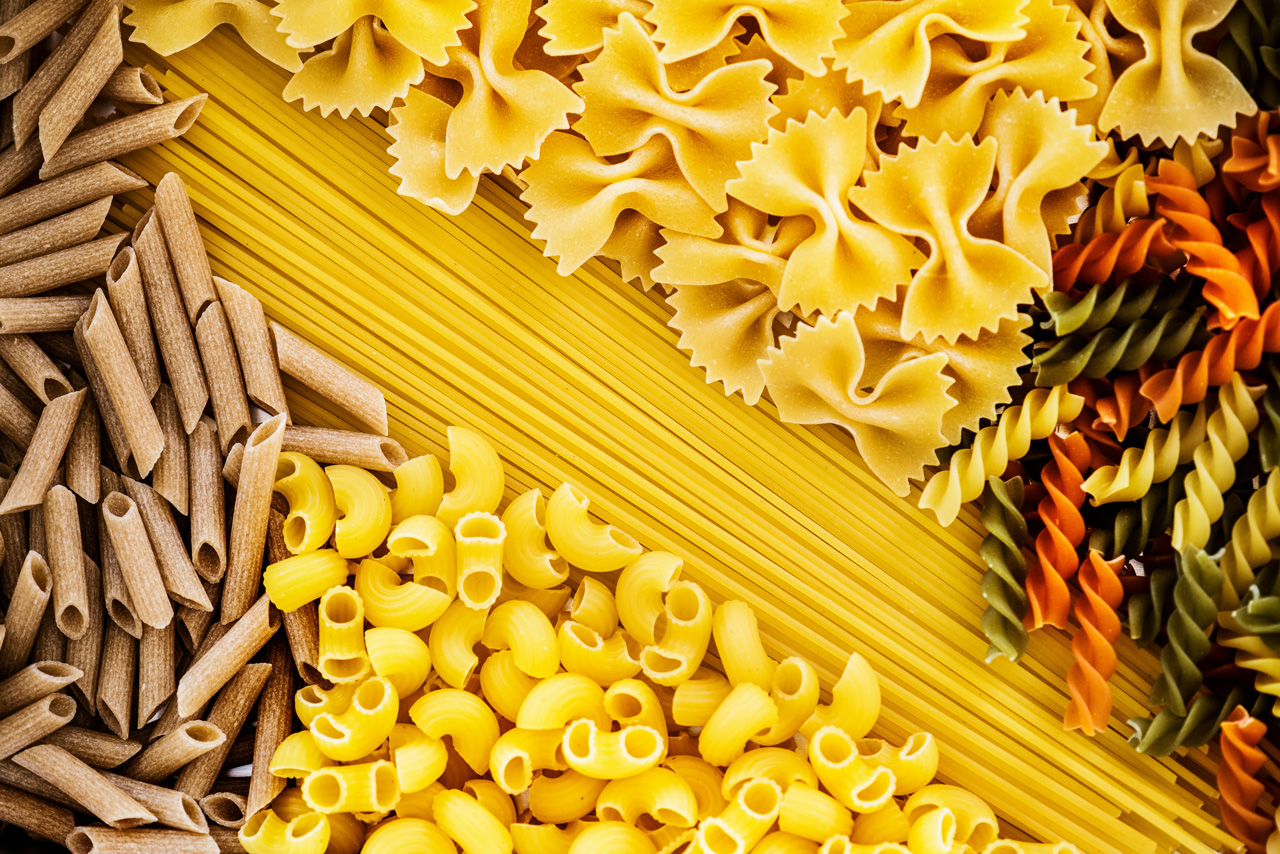
- Best foods to try – The best carbs are easy-to-digest to avoid gastrointestinal upset. White rice, white bread, oatmeal and white pasta are good options. Simple sugars like jam, honey and banana can top off your energy stores without adding bulk.
- Foods to avoid – Avoid high fiber foods starting 48 hours out from race day. Foods like beans, broccoli and whole grains can lead to mid-race bathroom emergencies. Never try a new food in the two days leading up to your race.
Everyone’s body works differently, so you may have to test out a few strategies to determine which method is best for you.
Loading up on carbs before an important race can effectively maximize your energy stores and keep you in peak form when it counts. If you have dietary concerns, be sure to check in with your doctor or a registered dietitian to see if carb loading is a good race day tactic for you.
Looking to stay healthy year-round, before and after races? Be sure to check out Foodie Fit, the premier Las Vegas meal prep company.
