
Best Lean Protein Foods for Your Daily Routine
There’s no doubt you’ve heard you should incorporate more protein into your diet. Why is it so important?
Eating lean protein foods helps your body build lean muscle mass, boosts metabolism and energy, and promotes fat loss. So, what is a lean protein source, and how can you include it in meals as a part of your daily routine?
What is Lean Protein?
According to USDA labeling guidelines for lean protein meat, a lean protein is one that contains less than 10 grams of total fat, no more than 4.5 grams of saturated fat, and less than 95 milligrams of cholesterol in a 100-gram portion. In other words, lean protein meats have a high ratio of protein to fat and calories.
Although they aren’t included in the USDA’s labeling guidelines, plant-based lean proteins also have higher protein in relation to their fat and calorie content.
Best Lean Protein Foods to Add to Your Diet
What is a lean protein foods source that you can include in your daily diet? Whether you prefer animal or plant-based foods, there are several excellent lean protein meats and other lean protein sources.
Lean Protein Meats
Various lean protein meat sources from come poultry, red meat, and fish. With the options listed below, you can create tasty main courses, soups, salads, and more.
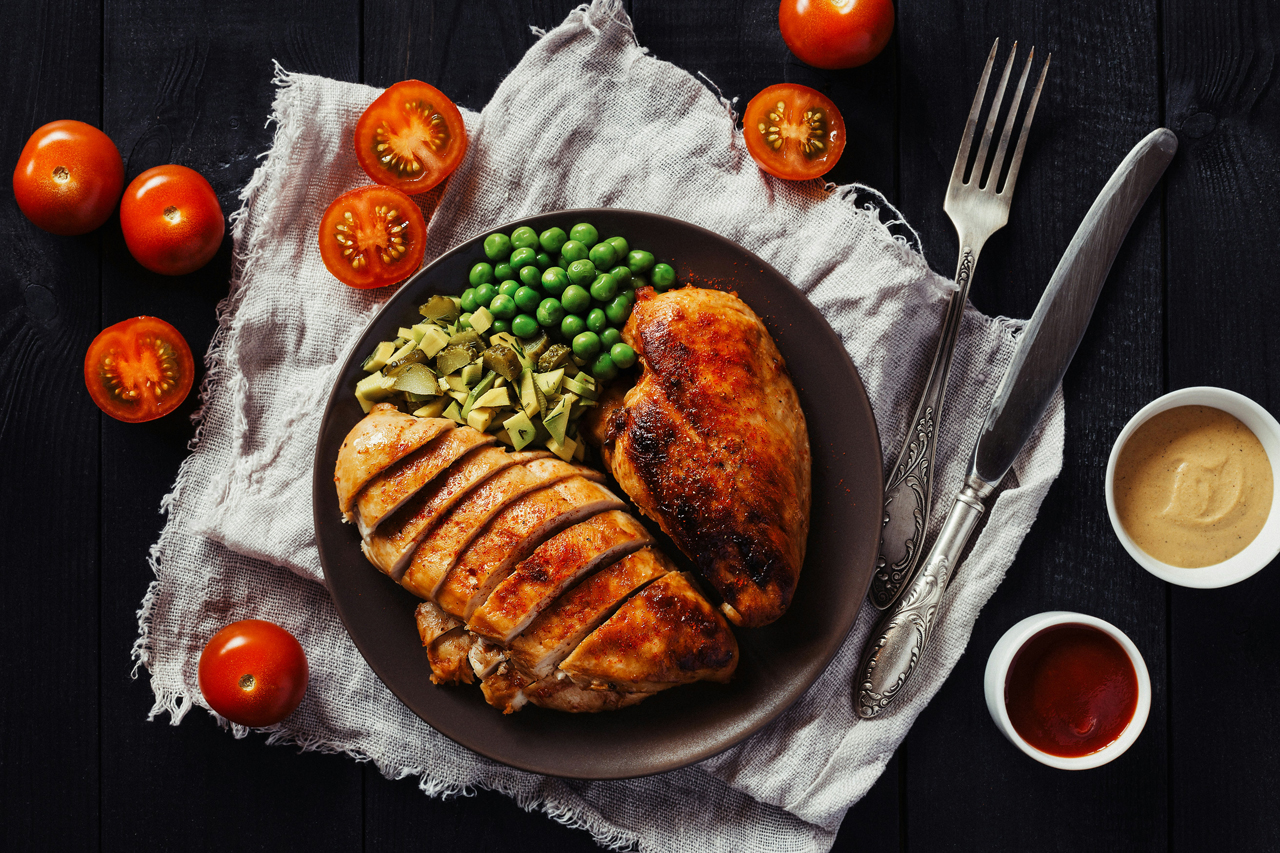
Poultry is an excellent source of lean protein. Choose between boneless, skinless chicken or turkey breast for low-fat protein-rich foods.
Red meat with less than 10 grams of fat include lean beef, venison, and bison. These lean protein foods are a rich source of iron, which is crucial for oxygen transport and other metabolic functions.
Fish and other seafood including oily fish such as salmon and tuna are excellent lean protein sources. They also contain omega-3 fatty acids which can support muscle health. The lighter fish such as cod and tilapia don’t have the omega-3 fatty acids, but they are high-protein and low-fat.
Lean Protein Sources Beyond Meat
If you’re not a meat eater, you can still find a variety of lean protein foods. Dairy products, legumes, and other plant-based options ae solid lean protein sources.
Low-fat dairy products including milk, cottage cheese, and Greek yogurt contain protein and essential nutrients like calcium and vitamin D.
Legumes include various beans, chickpeas, lentils, and soybeans. They are usually high in protein, dietary fiber, and other essential nutrients.
Other plant-based foods that are high-protein and low-fat include grains such as quinoa, oatmeal, and buckwheat as well as tempeh, tofu, and protein powder.
Are Eggs a Lean Protein?
Eggs are an excellent lean protein. While some people choose egg whites because they have negligible fat, the yolk contains most of the essential nutrients.
Featuring leucine, eggs are packed with amino acids which are necessary for muscle growth. The yolk also contains omega-3 fatty acids, calcium, iron, zinc, and more.
How to Add Lean Protein to Your Daily Routine
Start your day with Greek yogurt and a cup of barley or oatmeal. The combination of high protein and carbohydrates will supply you with sustainable energy.
For lunch or dinner, add beans and lentils to your soup or salad. Enjoy a serving of lean beef or poultry with some quinoa. If you’re on the go, try adding protein powder or collagen to your coffee, tea, or smoothie.
Benefits of Lean Protein Foods
Low-fat, protein-rich foods can help with muscle growth, fat loss, and energy. As mentioned before, proteins contain amino acids which are needed to build lean muscle mass.
Because protein is more filling and takes longer to metabolize than higher fat and more calorie-dense foods, it helps with fat loss. Additionally, protein metabolism uses more calories than fat metabolism. The result is a higher metabolic rate and more energy.
Lean Body Protein Shakes: Are They Worth It?
Lean Body protein shakes contain 35-40 grams of protein and other esential nutrients. They’re primarily designed to help build muscle and boost recovery after a workout.
While the shakes have everything needed to serve as a meal replacement, they are also high in sodium. The product usually contains a blend of both high and low-quality proteins. You’d be better off using whole foods for your lean protein sources.
Common Mistakes to Avoid
Eating lean protein foods can help you build lean muscle and support your health. However, it is possible to undermine your progress.
Avoid the following mistakes:
- drinking alcohol
- eating ultrla-processed foods
- drinking sugary beverages
- eating deep-fried or greasy foods
- eating foods with refined carbohydrates
Adding lean protein foods to your diet brings many health benefits. Fortunately, there are a variety of sources you can use to increase your protein intake. The key is to find foods that appeal to you and that are easy to add to your daily routine.

